As we age, metabolism slows and visible signs of ageing appear. Many people now follow anti-ageing diets that include NMN-rich foods to support metabolism and slow down the ageing process. Discover 5 natural foods that contain NMN.
NMN, short for β-Nicotinamide Mononucleotide, is increasingly popular in the wellness world. As we age, NAD⁺ levels in the body gradually decline, leading to dull skin and reduced physiological function. When the body absorbs NMN, it converts it into NAD⁺ — a key coenzyme that helps support cellular vitality and youthful function.
NMN has been widely researched for its anti-ageing properties. As we age, chronic inflammation and oxidative stress increase, lowering NAD⁺ levels and slowing metabolism. This contributes to ageing, muscle loss and a higher risk of long-term health issues. Supplementing with NMN can help activate SIRT1 (the anti-ageing protein) and maintain NAD⁺ levels — supporting healthy ageing and helping preserve muscle mass.
NMN is also a powerful antioxidant, helping neutralise free radicals and reduce cellular damage. It may help improve skin quality, reduce wrinkles and pigmentation, and stimulate collagen production for greater elasticity and radiance. Its anti-inflammatory properties may also support clearer, smoother skin.
Research suggests that NMN supplementation may help reduce the risk of certain chronic conditions including cardiovascular disease, diabetes and neurodegenerative disorders, by improving cellular function and slowing the ageing of body systems.
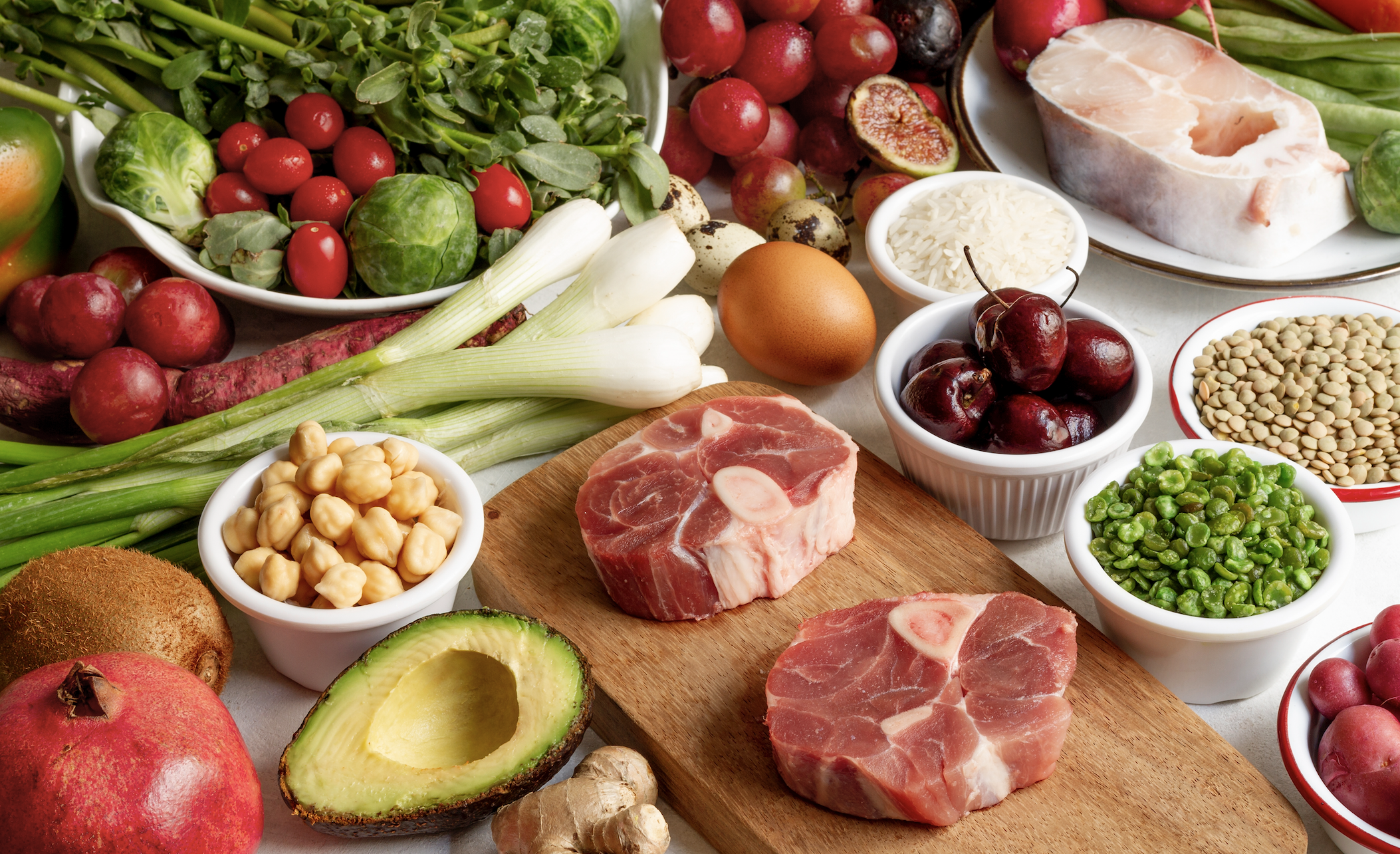
In the world of anti-ageing diets, NMN-rich foods are gaining popularity. Many natural foods such as broccoli, cabbage, cucumber and avocado contain NMN. Approximate NMN content per 100 g:
To support general health, around 100–200 mg of NMN per day is commonly suggested. Although natural foods contain NMN, the amounts are very small — you would need to eat around 100 kg of broccoli, 69 kg of avocado or 416 kg of beef to obtain 250 mg of NMN. Because of this, many people choose NMN supplements to help support healthy NAD⁺ levels.
Want to develop your own NMN supplement product? Contact ACC Biotech for OEM/ODM solutions and Uthever® NMN raw material.